


Essential Strategies for Preventing High-Velocity Traumas in Daily Life

High-velocity traumas are a significant concern in today's fast-paced world. These incidents, often resulting from high-speed collisions or falls, can lead to severe injuries or even fatalities. Understanding how to prevent such traumas is crucial for everyone, from everyday citizens to professionals in emergency services. This blog post will explore effective strategies to prevent high-velocity traumas, focusing on road safety, workplace precautions, and everyday practices.
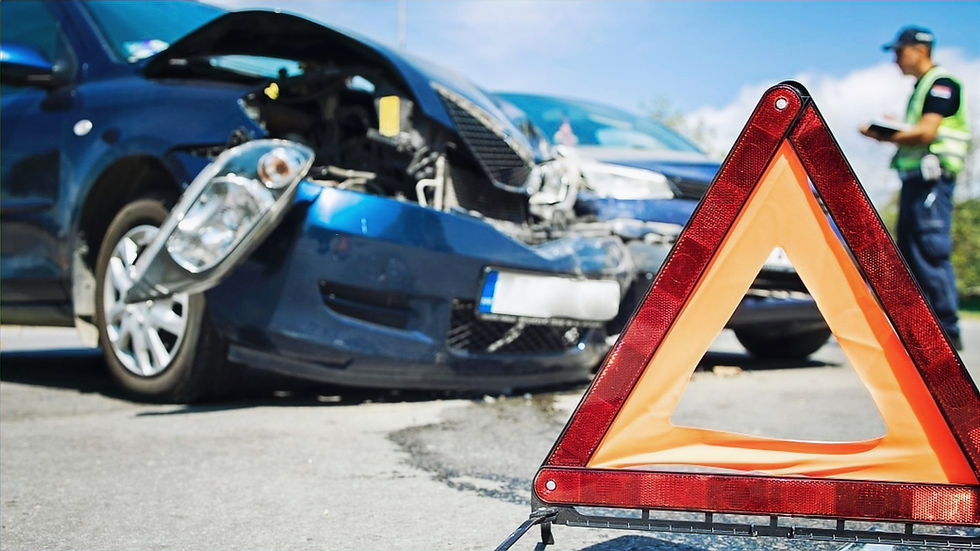
Road Safety: A Priority for Everyone

Road safety is paramount in preventing high-velocity traumas. With millions of vehicles on the road, the risk of accidents is ever-present. Here are some essential tips to enhance safety while driving:
Always Wear Seatbelt: Seatbelts are one of the simplest yet most effective ways to protect yourself in a vehicle. They significantly reduce the risk of severe injuries during a collision.
Avoid Distractions: Distracted driving is a leading cause of accidents. Keep your focus on the road by avoiding mobile phone use, eating, or engaging in other distractions while driving.
Adhere to Speed Limits: Speed limits are set for a reason. Driving within these limits can give you more time to react to unexpected situations, reducing the likelihood of high-velocity traumas.
Use Proper Signalling: Always use turn signals to communicate your intentions to other drivers. This simple act can prevent misunderstandings and potential collisions.
Stay Sober: Never drive under the influence of alcohol or drugs. Impaired judgment can lead to dangerous driving behaviours and increase the risk of accidents.
By implementing these road safety measures, individuals can significantly reduce the chances of being involved in high-velocity traumas.
Workplace Precautions: Ensuring Safety on the Job

Workplaces, especially those involving heavy machinery or construction, are prone to high-velocity traumas. Employers and employees must prioritize safety to prevent accidents. Here are some strategies to consider:
Conduct Regular Safety Training: Regular training sessions can keep employees informed about safety protocols and the importance of following them. This training should include emergency response procedures.
Use Personal Protective Equipment (PPE): Ensure that all employees wear appropriate PPE, such as helmets, gloves, and safety goggles. This equipment can provide an additional layer of protection against injuries.
Maintain Equipment: Regular maintenance of machinery and tools is essential to prevent malfunctions that could lead to accidents. Implement a routine check-up schedule to ensure everything is in working order.
Establish Clear Safety Protocols: Create and communicate clear safety protocols for all tasks. Employees should know the correct procedures to follow in various situations to minimize risks.
Encourage Reporting of Hazards: Foster an environment where employees feel comfortable reporting unsafe conditions or practices. Addressing these concerns promptly can prevent potential accidents.
By focusing on workplace safety, organizations can create a safer environment for their employees and reduce the risk of high-velocity traumas.
Everyday Practices: Staying Safe in Daily Life

In addition to road and workplace safety, everyday practices can also play a significant role in preventing high-velocity traumas. Here are some tips to incorporate into your daily routine:
Be Mindful of Your Surroundings: Whether walking, biking, or driving, always be aware of your surroundings. This awareness can help you anticipate potential hazards and react accordingly.
Use Crosswalks and Pedestrian Signals: When walking, always use designated crosswalks and obey pedestrian signals. This practice can help ensure your safety while navigating busy streets.
Secure Your Home: High-velocity traumas can also occur at home. Ensure that stairways are well-lit, handrails are secure, and any potential hazards are addressed to prevent falls.
Practice Defensive Driving: Always be prepared for the unexpected when driving. Anticipate the actions of other drivers and maintain a safe distance to allow for quick reactions.
Stay Active and Fit: Maintaining physical fitness can improve your balance and coordination, reducing the risk of falls and other accidents in daily life.
By adopting these everyday practices, individuals can contribute to their safety and the safety of those around them, ultimately reducing the risk of high-velocity traumas.
Conclusion
Preventing high-velocity traumas is a shared responsibility that requires awareness and proactive measures. By focusing on road safety, implementing workplace precautions, and adopting safe everyday practices, individuals can significantly reduce the risk of severe injuries and fatalities.
Remember, safety is not just a personal concern; it is a community effort. By working together and prioritizing safety, we can create a safer environment for everyone. Stay vigilant, stay safe, and take the necessary steps to prevent high-velocity traumas in your daily life.


